
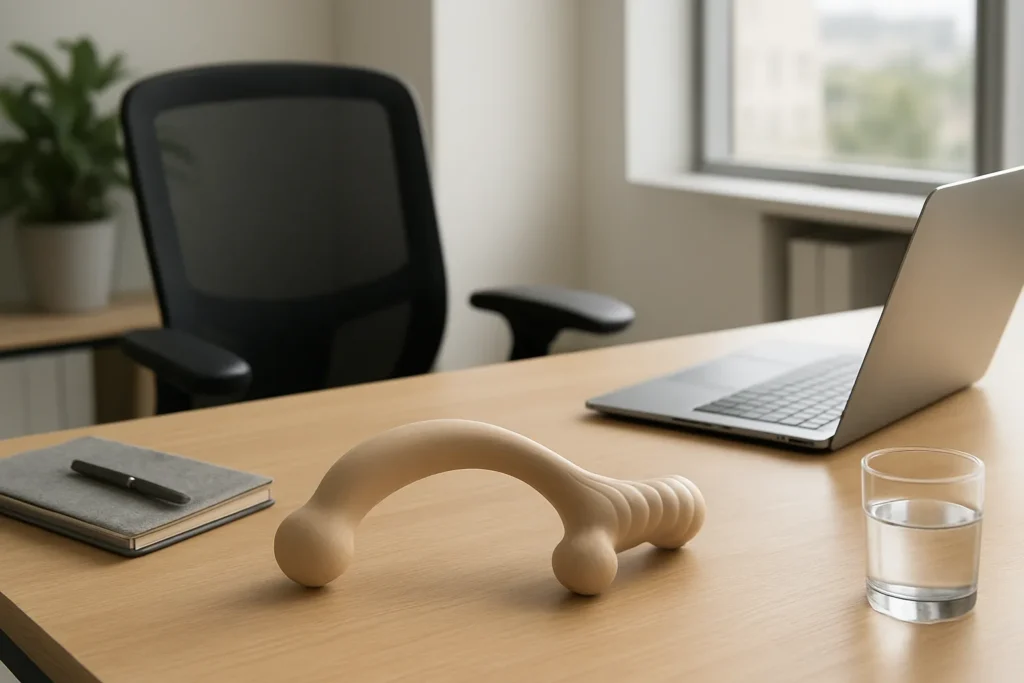
Enhancing Office Relaxation with Non-Electric Massagers for Stress Relief
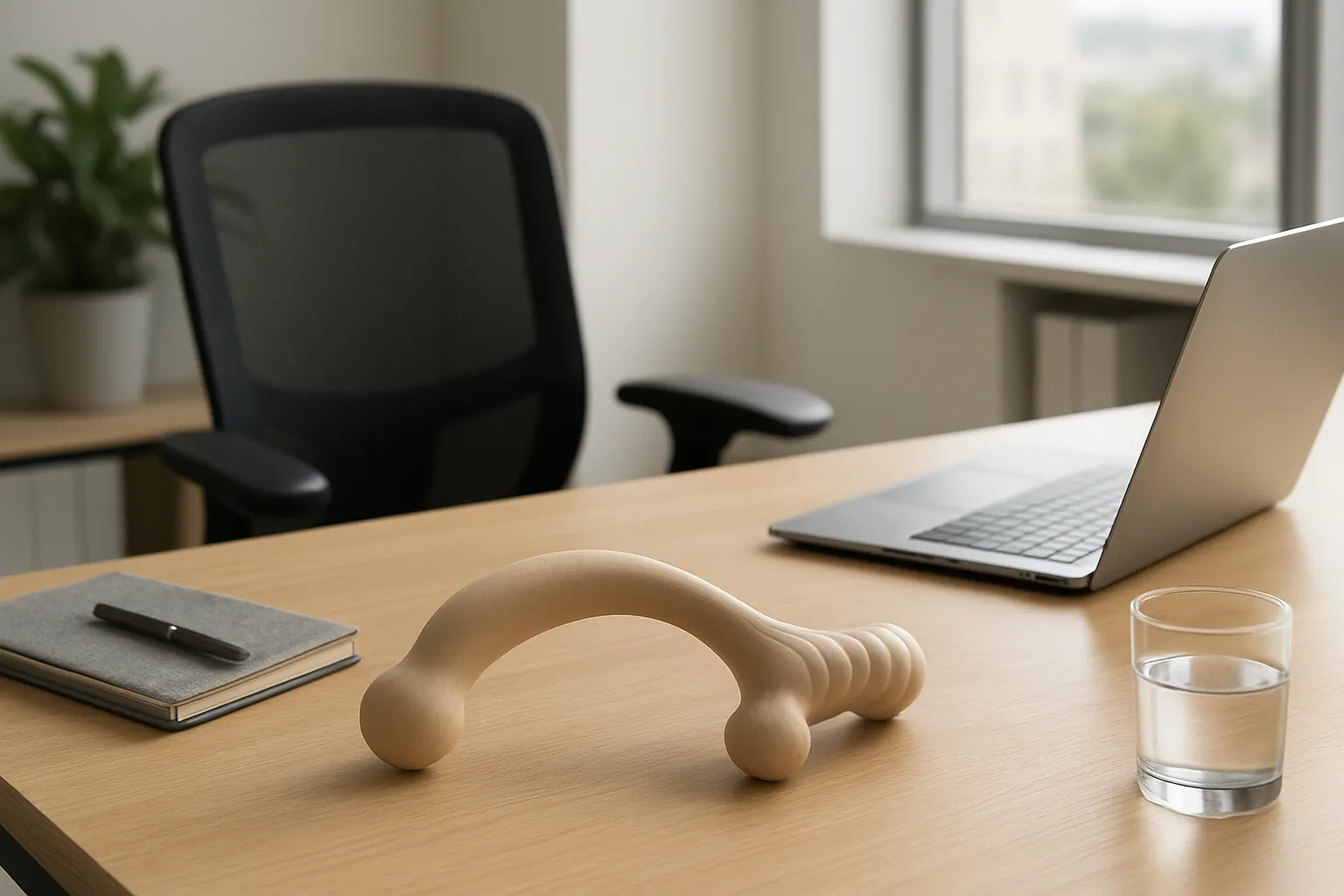
In today’s fast-paced corporate environment, office stress has become an all-too-common phenomenon. Long hours spent at desks, high-pressure deadlines, and the constant barrage of emails can lead to physical discomfort and mental fatigue. As a result, the importance of relaxation products, especially non-electric massagers, has surged. These non-electric massagers not only help alleviate stress but also contribute to a healthier work environment.
Understanding Non-Electric Massagers
Non-electric massagers are handheld devices designed to relieve tension and promote relaxation without the need for electricity. They come in various forms, including handheld massagers, foam rollers, and massage balls. Each type offers unique benefits, catering to different preferences and needs. Key features often include ergonomic designs for ease of use, portability for convenience, and materials that provide varying levels of pressure and comfort. Understanding these specifications can help businesses select the right products for their employees.
Benefits of Non-Electric Massagers
The advantages of incorporating non-electric massagers into the office setting are substantial. Firstly, the physical health benefits are noteworthy. Regular use can alleviate muscle tension, improve circulation, and even enhance posture. This is particularly important for employees who spend long hours seated at desks.
Secondly, the mental health benefits cannot be overlooked. Non-electric massagers provide a moment of respite, allowing employees to unwind and recharge. In my experience, this can lead to increased productivity and a more positive workplace atmosphere.
Lastly, cost-effectiveness is a significant advantage. Non-electric massagers are generally more affordable than their electric counterparts, making them an ideal investment for businesses looking to enhance employee wellbeing without breaking the bank.
Use Cases in the Workplace
Non-electric massagers can be effectively utilized in various workplace scenarios. For individual use, employees can keep a massager at their desks for quick relief during breaks. This promotes a culture of self-care and encourages employees to take proactive steps towards their health.
Group relaxation activities can also benefit from non-electric massagers. Team-building sessions can incorporate guided massage techniques, fostering camaraderie and collectively reducing stress.
Moreover, these massagers can be integrated into broader office wellness programs, complementing other initiatives aimed at improving employee health and morale. I believe that when employees feel supported in their wellbeing, it translates into better performance and job satisfaction.
Comparing Non-Electric Massagers to Electric Options
When comparing non-electric massagers to electric options, performance is a key consideration. Non-electric massagers often allow users to control the pressure and intensity of their massage, providing a personalized experience.
In terms of portability and convenience, non-electric options have a clear advantage. They are lightweight and can be easily transported, making them ideal for use in various office settings or even while traveling.
Additionally, maintenance and longevity are important factors. Non-electric massagers typically require less upkeep than electric devices, which may need battery replacements or electrical repairs over time. From what I have seen, this simplicity can be a significant plus for busy professionals.
Sourcing Non-Electric Massagers
When looking to source non-electric massagers, businesses have several options. Local health and wellness stores often carry a selection, while online retailers provide a broader range of choices.
Key factors to consider when sourcing include the quality of materials, design ergonomics, and user reviews. Evaluating supplier credibility is also crucial; businesses should look for reputable brands known for their commitment to quality and customer service. For more information on sourcing, you can check this industry reference.
Implementing Non-Electric Massagers in the Office
To effectively implement non-electric massagers in the office, companies should begin by setting up designated relaxation spaces. These areas should be equipped with various massagers, creating a calming environment where employees can unwind.
Encouraging employee usage is vital for success. This can be achieved through workshops or informational sessions demonstrating how to use the massagers effectively. In my experience, hands-on demonstrations can significantly increase employee interest and participation.
Finally, measuring the impact on employee wellbeing can provide valuable insights. Surveys or feedback forms can help gauge employee satisfaction and the perceived benefits of using non-electric massagers, ultimately informing future wellness initiatives.
Frequently Asked Questions
Common concerns about non-electric massagers often revolve around their effectiveness and ease of use. Employees may wonder if they can achieve the same results as electric devices. However, many find that the ability to control pressure and focus on specific areas can lead to equally satisfying relief.
When choosing the right massager, it is essential to consider personal preferences, such as desired pressure levels and specific areas of tension.
Addressing misconceptions is also important; some may believe that non-electric massagers are less effective or outdated. In reality, they offer a simple, effective means of stress relief that can easily fit into a busy workday.
In conclusion, non-electric massagers present a valuable opportunity for businesses aiming to enhance office relaxation. By understanding their benefits, sourcing them effectively, and implementing them thoughtfully, companies can foster a healthier, more productive workplace environment.